Discover the World of Snakes
Explore fascinating facts about snake biology, behavior, and safety. Designed for students, nature enthusiasts, and curious minds—learn how snakes play a vital role in our ecosystem and how to stay safe around them.
What Makes Snakes Unique?
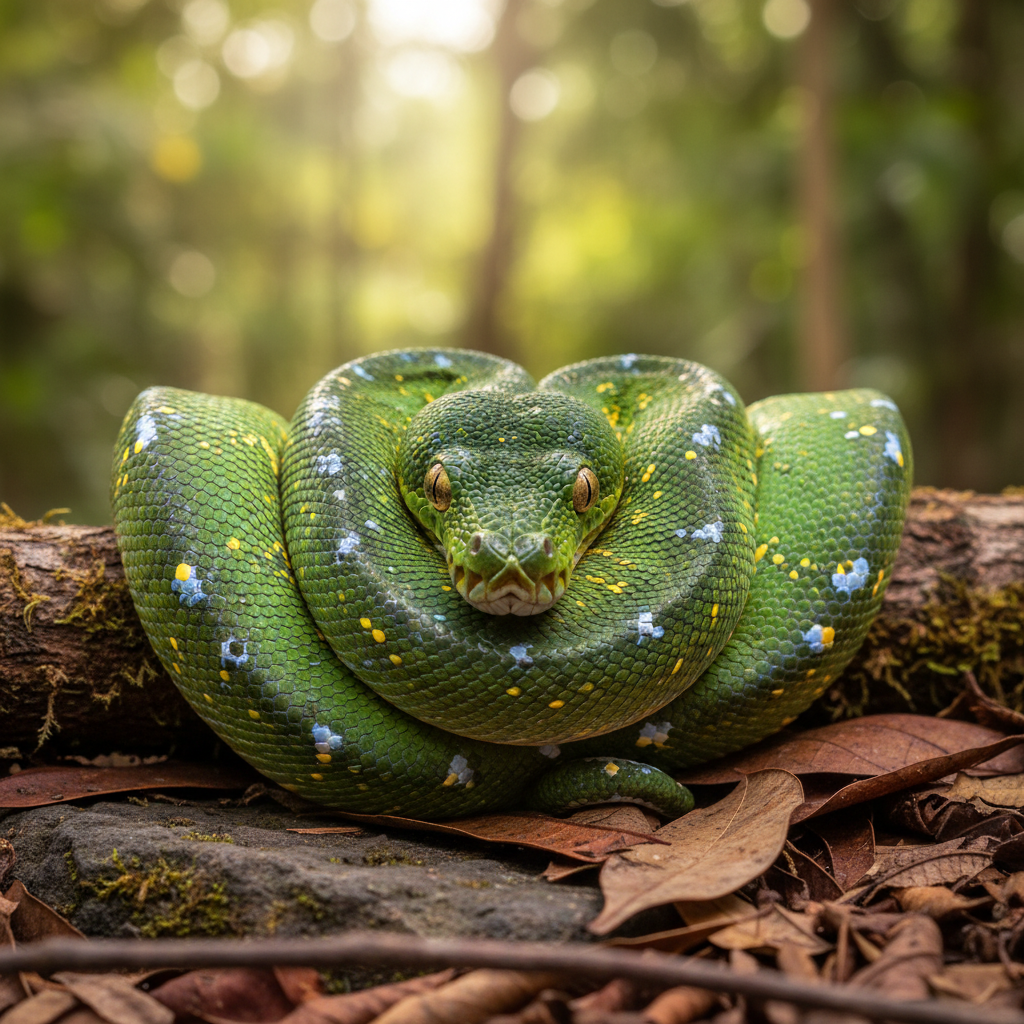
Snakes are fascinating reptiles found on every continent except Antarctica. Unlike most other animals, snakes have no eyelids or external ears and their bodies are covered with smooth, dry scales. Their incredible flexibility comes from having hundreds of vertebrae and ribs, allowing them to slither effortlessly through a variety of environments.
They inhabit diverse habitats such as rainforests, deserts, grasslands, and even cities. Some species live in trees, others underground or in water. This adaptability makes them one of nature’s most successful survivors.
Snakes play a vital role in ecosystems by controlling rodent populations and serving as both predator and prey. Their presence helps maintain balance in the food web, making them important allies in healthy environments.
Snake Features
Understanding Snake Characteristics
Explore the unique features that make snakes fascinating and important creatures in our natural world. Each characteristic helps them survive and thrive in diverse environments.

Body Structure
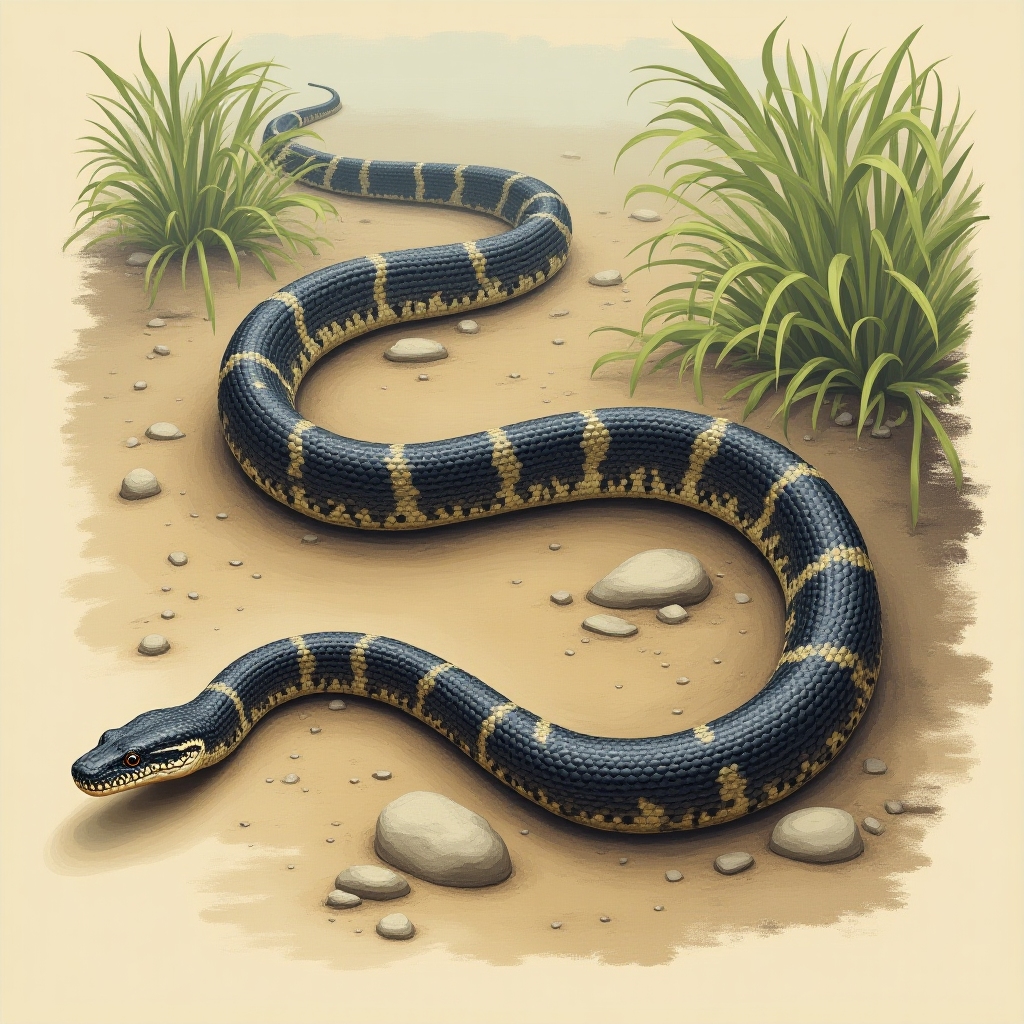
Snakes have long, flexible, limbless bodies with scales. Their unique skeleton allows them to squeeze through tight spaces and move gracefully.
Movement
Snakes move by contracting their muscles in waves, enabling them to slither, climb, swim, and even glide through the air in some species.
Diet
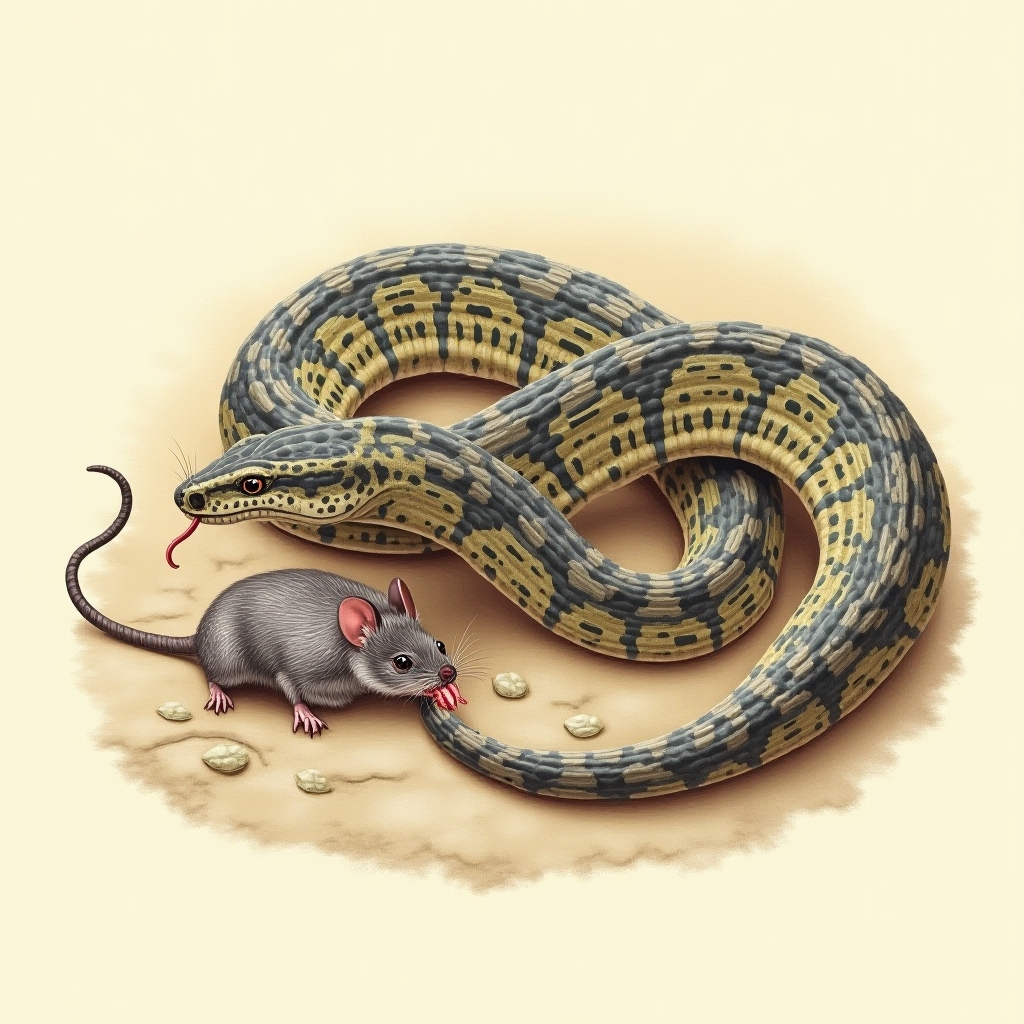
All snakes are carnivores. They eat a variety of prey such as rodents, birds, frogs, and eggs, swallowing their food whole thanks to flexible jaws.
Defense Mechanisms
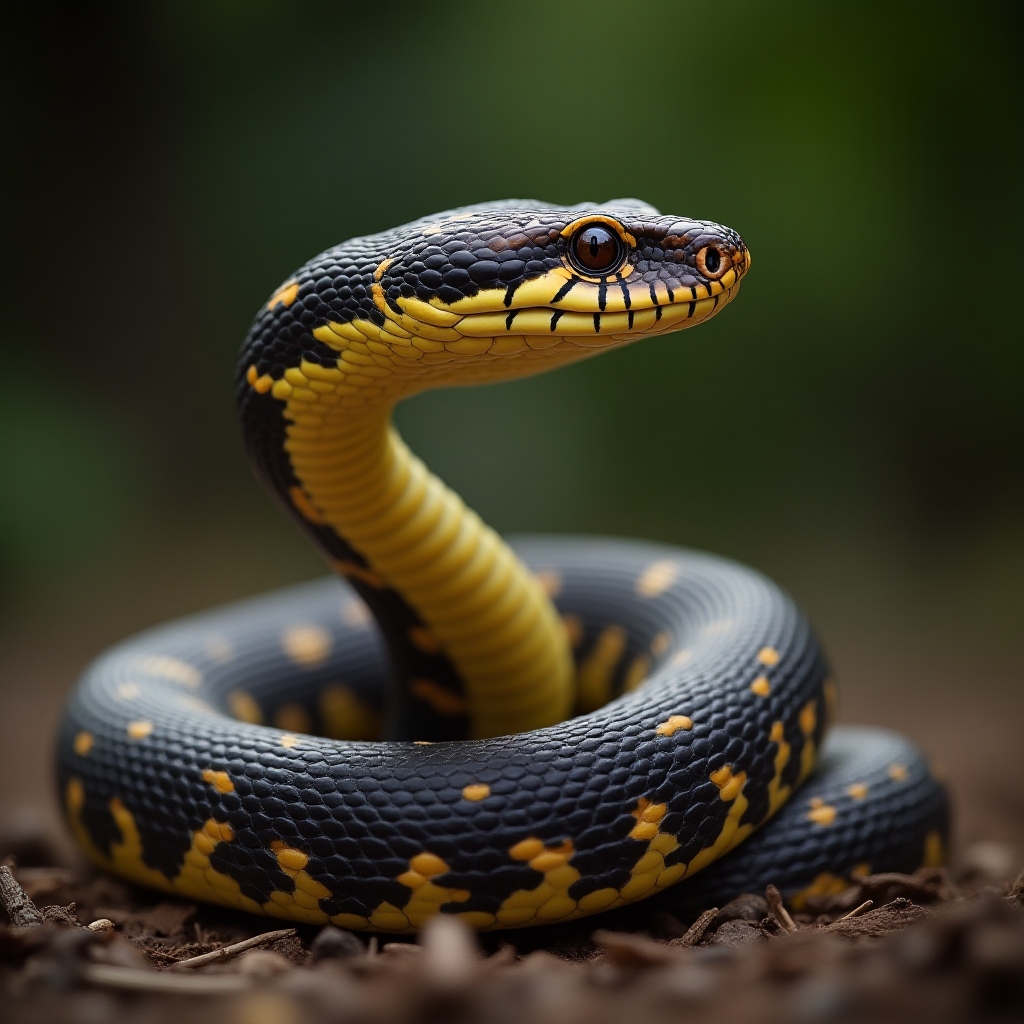
Snakes use camouflage, hissing, striking, and sometimes venom to protect themselves from predators. Many display warning colors or patterns.
Snake FAQ
Can’t find the answer you’re looking for? Reach out to our support team.
- Are all snakes venomous?
- No, most snakes are not venomous! In fact, only about 15% of snake species worldwide have venom that can harm humans. The majority of snakes are harmless and play important roles in their ecosystems by controlling pests.
- How can you identify a dangerous snake?
- It’s not always easy to tell if a snake is dangerous just by its color or pattern. Some non-venomous snakes mimic the look of venomous ones. The safest approach is to avoid touching or disturbing any wild snake. If you need to identify a snake, use a trusted field guide or ask an expert.
- What should you do if you see a snake?
- Stay calm and give the snake plenty of space. Most snakes will not attack unless they feel threatened. Back away slowly and do not try to handle or harm the snake. Watching from a safe distance is the best way to observe snakes in nature.
- What do snakes eat?
- Snakes are carnivores. Depending on the species, they may eat insects, rodents, birds, eggs, frogs, fish, or even other snakes! Their diet helps keep the balance in natural habitats.
- Are snakes important for the environment?
- Absolutely! Snakes help control populations of pests like rats and insects. They’re also food for many other animals. Healthy snake populations are a sign of a balanced ecosystem.